




Tips & Tricks
Whether you're a beginner or an experienced woodworker, these tips and tricks
will help you take your projects to the next level.
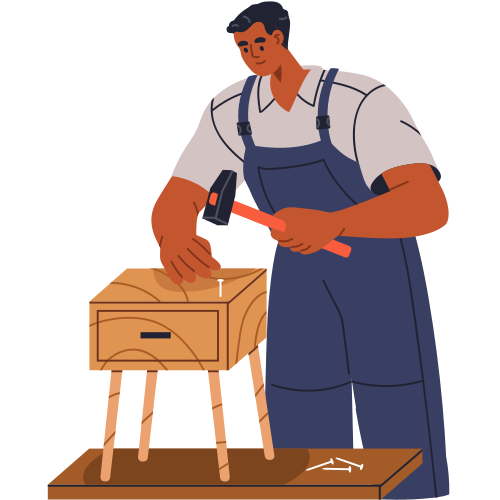
Choose the Right Wood
Different projects require different types of wood. Hardwoods like oak and maple are great for furniture, while softwoods like pine are easier to work with for beginners. Always consider the grain, moisture content, and durability of your material.
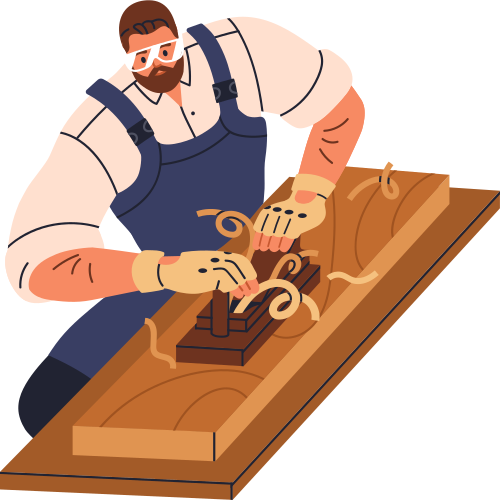
Keep Your Tools Sharp
A sharp tool is safer and more efficient than a dull one. Regularly sharpen chisels, saws, and planer blades to make cleaner cuts and reduce strain on your hands.
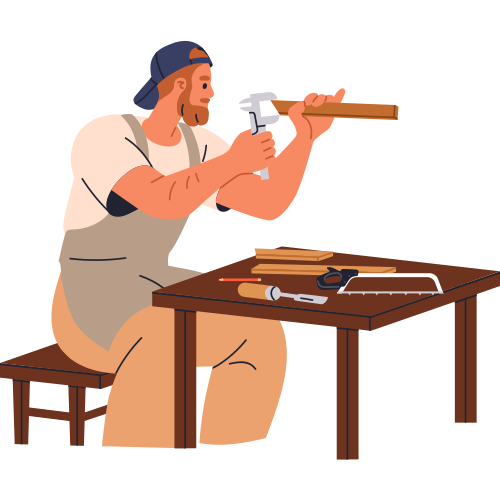
Measure Twice, Cut Once
Precision is key in woodworking. Double-check your measurements before making a cut to avoid costly mistakes and wasted materials.
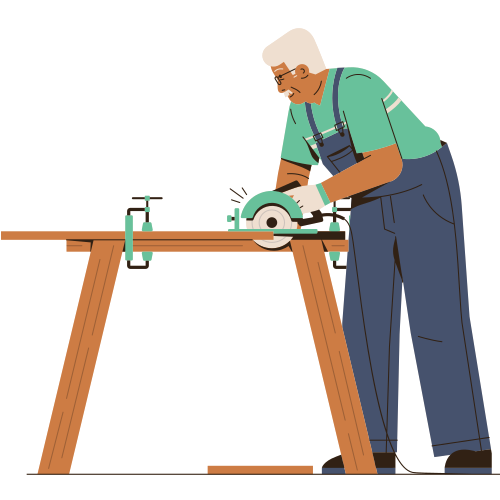
Use Clamps for Stability
Clamps are essential for holding pieces together while gluing, cutting, or assembling. They help maintain accuracy and prevent movement during critical steps.
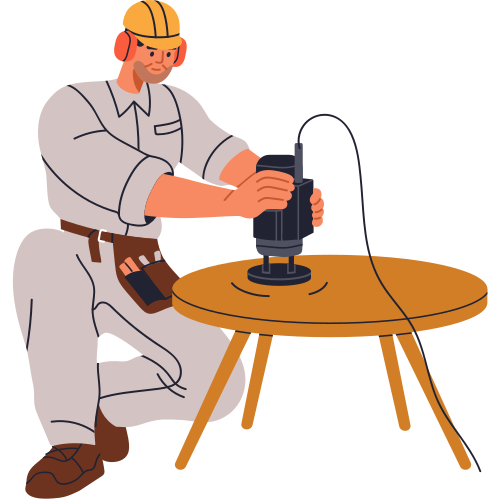
Pre-Drill Screw Holes
To prevent wood from splitting, always pre-drill holes before inserting screws, especially near the edges of the wood.

Sand for a Smooth Finish
Start with coarse-grit sandpaper and gradually move to finer grits for a professional, smooth finish. Always sand along the grain to avoid scratches.
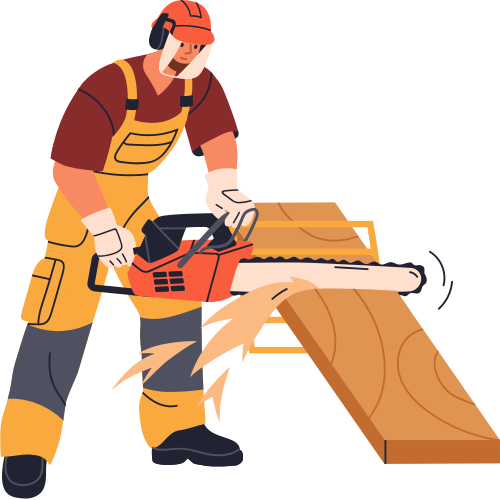
Practice Safe Woodworking
Always wear safety gear, such as goggles, ear protection, and dust masks. Work in a well-ventilated area and follow best practices to prevent injuries.
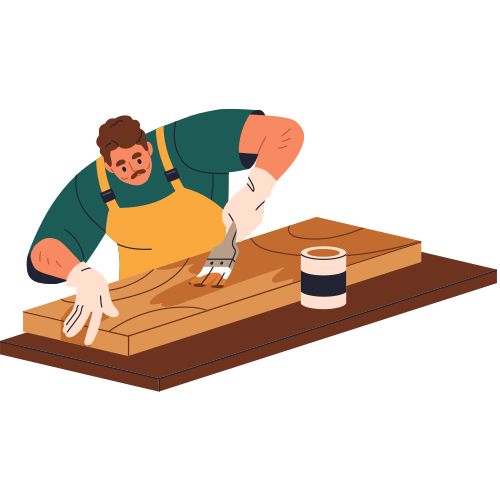
Keep Your Work Area Clean
A tidy workspace improves efficiency and safety. Remove sawdust and debris regularly, and store tools properly to prevent accidents.
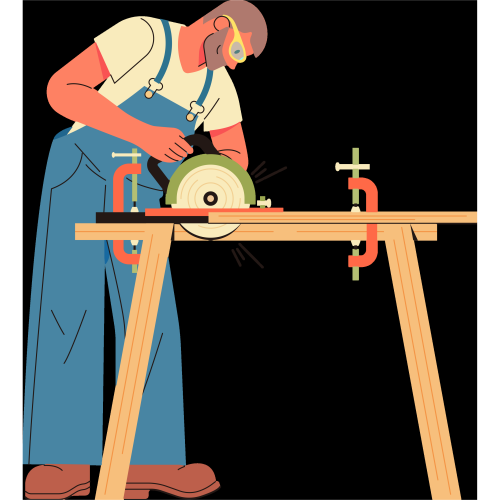
Experiment and Learn
Try new techniques, experiment with different wood types, and don’t be afraid to make mistakes. Every project is a learning experience that helps you improve your craft.
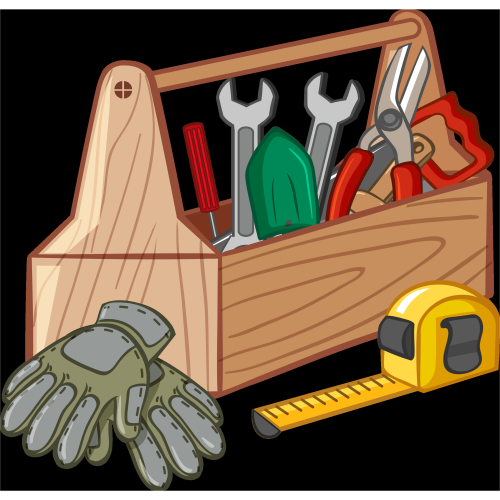
Maintain Your Tools
Regular maintenance, such as oiling moving parts and checking power cords, extends the life of your tools and ensures they function properly.
Stay Inspired & Keep Crafting!
Woodworking is a journey of creativity and skill-building. Keep refining your techniques, explore new projects, and enjoy the process of bringing your ideas to life. Check back often for more tips, tricks, and inspiration!Looking for high-quality woodworking tools? Browse our selection and find the best tools for your next project!
Craft your vision
Welcome to Craft Your Vision, a space where creativity and craftsmanship come together. Whether you're a seasoned woodworker or just starting out, this is where you’ll find the tools, tips, and inspiration to bring your woodworking ideas to life.